
Old Tax Regime vs New Tax Regime: Which One Should You Pick in FY 2025-26?

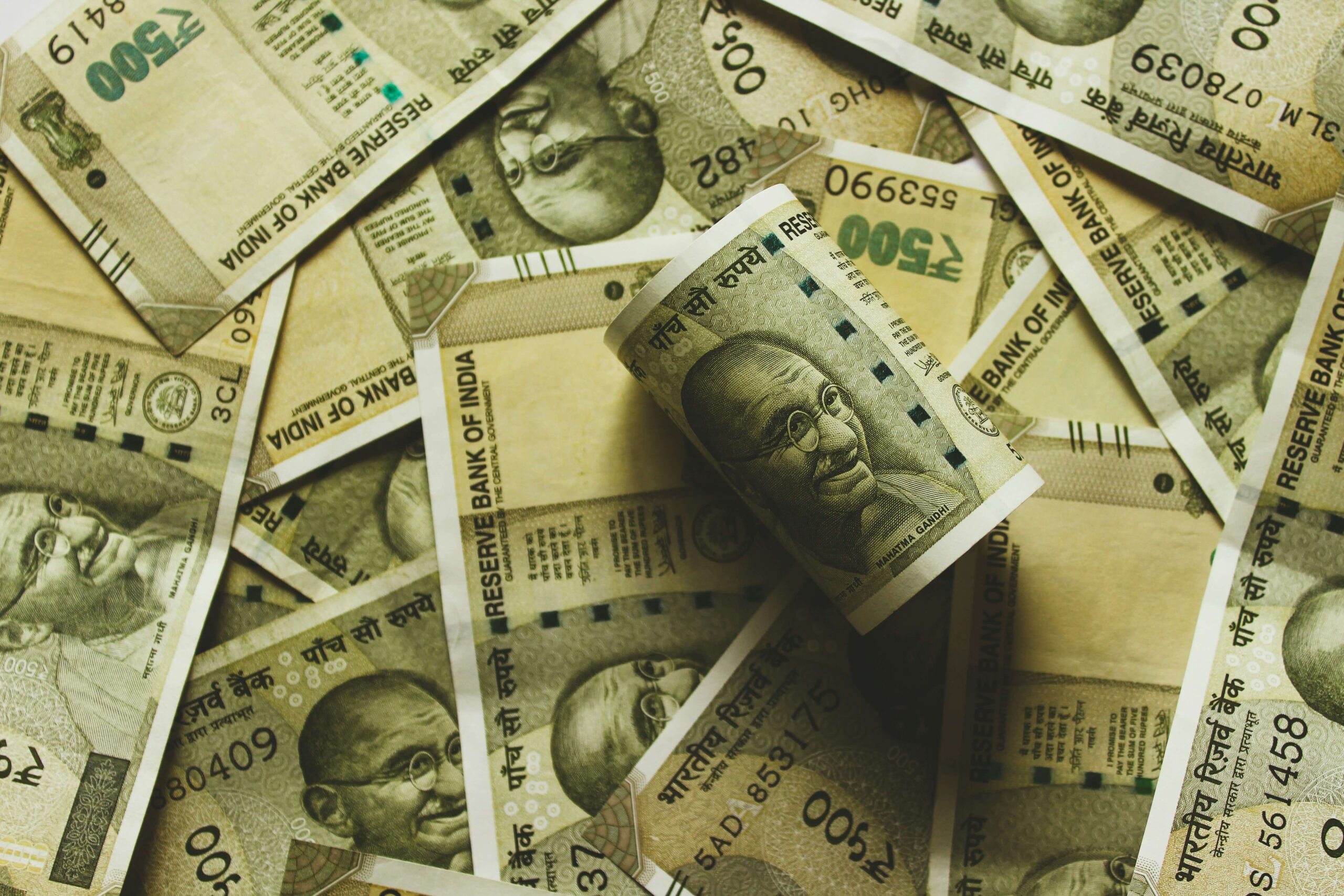
Arjun and his colleague Deepak sit three desks apart in the same Bengaluru office. Same company, same job band, same gross salary — ₹15 lakh a year. At lunch last March, Deepak let it slip that his tax for FY 2025-26 came to ₹97,500.
Arjun had paid ₹1,27,900.
₹30,400 more. For doing the same job. Deepak hadn’t done anything clever — no tax evasion, no CA jugaad. He’d just sat down in April, run both calculations, and picked the regime that cost him less. Arjun hadn’t.
Here’s the thing Deepak would be the first to say: his answer might be wrong for someone else. The old tax regime versus the new tax regime isn’t a question with one right answer for everyone. It’s a question with one right answer for you — and that answer depends entirely on your salary, your deductions, and your actual financial situation.
This article works through three real salary levels with exact, verified calculations — so you stop guessing and start knowing.
What this article covers
What actually changed in FY 2025-26
India has run two parallel income tax systems since FY 2020-21. The old tax regime — slab structure unchanged for years — gives you a long list of deductions to reduce your taxable income before calculating tax. The catch: the slab rates are higher. The new regime flips this: lower slab rates, but almost no deductions allowed.
From FY 2024-25 onwards, the new regime became the default. If you don’t tell your employer which regime to use, they will deduct Tax Deducted at Source (TDS) under new regime automatically. (Source: Section 115BAC, incometax.gov.in, AY 2026-27)
Budget 2025 made the new regime genuinely attractive for the first time. The Section 87A rebate was raised to ₹60,000 and the basic exemption limit to ₹4 lakh. The practical result: any salaried employee earning up to ₹12.75 lakh a year pays zero tax under the new regime. Here’s the arithmetic: ₹12.75L salary minus ₹75,000 standard deduction = ₹12L taxable income = exactly at the rebate threshold. Tax before rebate = ₹60,000. Rebate = ₹60,000. Net tax = ₹0. (Source: ClearTax, cleartax.in, May 2026)
Budget 2026 confirmed no changes to these slab rates. They apply for FY 2025-26 (Assessment Year (AY) 2026-27) and FY 2026-27 both.
The tax slab rates for FY 2025-26 — official rates, both regimes
Source: Income Tax Department, ‘Salaried Individuals for AY 2026-27’ (incometax.gov.in/iec/foportal/help/individual/return-applicable-1)
New Tax Regime — FY 2025-26 (default regime)
| Taxable Income Range | Tax Rate |
| Up to ₹4,00,000 | Nil |
| ₹4,00,001 – ₹8,00,000 | 5% |
| ₹8,00,001 – ₹12,00,000 | 10% |
| ₹12,00,001 – ₹16,00,000 | 15% |
| ₹16,00,001 – ₹20,00,000 | 20% |
| ₹20,00,001 – ₹24,00,000 | 25% |
| Above ₹24,00,000 | 30% |
Standard deduction under new regime: ₹75,000. Section 87A rebate: up to ₹60,000 for taxable income up to ₹12 lakh (effectively zero tax up to that level). Plus 4% Health and Education Cess on the final tax figure.
Old Tax Regime — FY 2025-26 (optional — must be actively chosen)
| Taxable Income Range | Tax Rate (below 60 years) |
| Up to ₹2,50,000 | Nil |
| ₹2,50,001 – ₹5,00,000 | 5% |
| ₹5,00,001 – ₹10,00,000 | 20% |
| Above ₹10,00,000 | 30% |
Standard deduction under old regime: ₹50,000. Section 87A rebate: up to ₹12,500 for taxable income up to ₹5 lakh only. Plus 4% cess.
Looking at those slabs alone, the new regime looks obviously better — especially the 10% rate on income between ₹8L and ₹12L versus 20–30% in the old regime. But those new regime rates apply before the old regime’s deductions enter the picture. Once you subtract what you can actually claim, the comparison becomes much closer — and sometimes flips.
What deductions can you actually claim under the old regime?
This is the old regime’s entire case. None of the following deductions apply in the new regime — except the standard deduction (₹50K vs ₹75K) and employer NPS contribution under Section 80CCD(2).
| Deduction | Maximum Annual Limit | What Qualifies |
| Standard deduction | ₹50,000 | Automatic — no proof required |
| Section 80C | ₹1,50,000 | Employee Provident Fund (EPF) employee share, Public Provident Fund (PPF), Equity Linked Saving Scheme (ELSS) funds, life insurance premiums, home loan principal repayment, NSC, children’s tuition fees |
| Section 80D | ₹25,000 (self/family) + ₹50,000 if parents are senior citizens | Health insurance premiums — medical check-up costs also count up to ₹5,000 |
| House Rent Allowance (HRA) exemption | Lowest of: actual HRA received | rent paid minus 10% of basic | 50% of basic (metro) or 40% (non-metro) | Only if you pay rent and receive HRA in your salary structure. From April 2026 (FY 2026-27), Pune, Bengaluru, Hyderabad and Ahmedabad qualify as metro (50% rate). |
| Section 24(b) | ₹2,00,000 | Home loan interest on self-occupied property only |
| Section 80CCD(1B) | ₹50,000 (separate from 80C) | Your own voluntary NPS contributions |
| Leave Travel Allowance (LTA) | Actual cost (twice in a 4-year block) | Domestic travel — train or air — for self and family |
Theoretical maximum if you hit every limit simultaneously: approximately ₹7–7.5 lakh. In practice, most salaried employees land between ₹2L and ₹5.5L — because simultaneously owning a home, renting somewhere, paying rent, servicing a home loan, and having senior citizen parents on your health insurance is a very specific life situation.
For the complete guide on Section 80C investments and how to get the full ₹1.5L: Section 80C: The Complete Tax-Saving Guide for Salaried Indians.
Three real salary examples — three completely different answers
All calculations use official FY 2025-26 slab rates from the Income Tax Department (incometax.gov.in). Cess of 4% is added to all final tax figures. I have checked each number twice.
Example 1 — Arjun: ₹8 lakh salary, just starting out
Arjun is 26, lives with his parents in Hyderabad. He joined his first job two years ago. EPF is deducted from his salary each month — that’s his only investment currently. No PPF, no ELSS, no home loan. Basic health insurance for himself only, no rent.
Deductions he can claim under old regime:
- Standard deduction: ₹50,000
- 80C (EPF employee contribution only): ₹60,000
- 80D (self health insurance only): ₹10,000
- Total: ₹1,20,000
Old regime tax calculation:
- Taxable income: ₹8,00,000 − ₹1,20,000 = ₹6,80,000
- Tax: Nil on ₹2.5L + 5% on next ₹2.5L = ₹12,500 + 20% on ₹1.8L = ₹36,000 = ₹48,500
- Taxable income exceeds ₹5L → Section 87A rebate does not apply
- + 4% cess: ₹48,500 × 1.04 = ₹50,440
New regime tax calculation:
- Taxable income: ₹8,00,000 − ₹75,000 (standard deduction) = ₹7,25,000
- Tax before rebate: Nil on ₹4L + 5% on ₹3.25L = ₹16,250
- Taxable income ₹7.25L is below ₹12L → Section 87A rebate covers the full tax
- Net tax = ₹0
Verdict: New regime saves Arjun ₹50,440 this year. At ₹8 lakh with limited deductions, the choice isn’t close. The zero-tax benefit makes new regime an obvious win.
Example 2 — Meera: ₹15 lakh salary, renting, investing actively
Meera is 34, works in Pune. Her salary structure: gross ₹15L, basic salary ₹6L/year (40% of CTC), HRA component ₹2.4L/year. She pays ₹22,000 rent per month. She maxes out 80C through EPF and ELSS, puts ₹50,000 into NPS annually, and has a family floater health insurance that also covers her senior citizen father (64) and mother (62).
HRA exemption calculation for Meera (Pune — now metro from April 2026):
- Actual HRA received: ₹2,40,000 per year
- Rent paid minus 10% of basic: (₹22,000 × 12) − (10% × ₹6L) = ₹2,64,000 − ₹60,000 = ₹2,04,000
- 50% of basic (metro city): 50% × ₹6,00,000 = ₹3,00,000
- HRA exemption = lowest of three = ₹2,04,000
(Source for Pune metro change: HRA Exemption 2026: Pune, Bengaluru & Hyderabad Now Metro)
Deductions under old regime:
- Standard deduction: ₹50,000
- Section 80C: ₹1,50,000
- HRA exemption: ₹2,04,000
- Section 80D: ₹25,000 (self + family) + ₹50,000 (senior citizen parents) = ₹75,000
- Section 80CCD(1B) — NPS: ₹50,000
- Total deductions: ₹5,29,000
Old regime tax calculation:
- Taxable income: ₹15,00,000 − ₹5,29,000 = ₹9,71,000
- Tax: Nil on ₹2.5L + 5% on ₹2.5L = ₹12,500 + 20% on ₹4.71L = ₹94,200 = ₹1,06,700
- + 4% cess: ₹1,06,700 × 1.04 = ₹1,10,968 (≈ ₹1,11,000)
New regime tax calculation:
- Taxable income: ₹15,00,000 − ₹75,000 = ₹14,25,000
- Tax: Nil on ₹4L + 5% on ₹4L = ₹20,000 + 10% on ₹4L = ₹40,000 + 15% on ₹2.25L = ₹33,750 = ₹93,750
- + 4% cess: ₹93,750 × 1.04 = ₹97,500
Verdict: New regime still wins — ₹97,500 vs ₹1,11,000. That is a ₹13,500 saving in favour of new regime, even though Meera has ₹5.29 lakh in real deductions including HRA, senior citizen parent health insurance, and NPS.
This is the most common calculation error people make: they assume that ‘investing in 80C and NPS’ means old regime wins. At ₹15 lakh, you need roughly ₹6 lakh or more in actual deductions for old regime to beat new regime. Meera’s ₹5.29L isn’t enough. For the old regime to win for Meera, she’d additionally need a home loan with at least ₹70,000–₹75,000 in annual interest on a self-occupied property — pushing her total deductions past ₹6L.
Example 3 — Sameer: ₹25 lakh salary, home loan, all deductions stacked
Sameer is 42, earns ₹25 lakh, lives in his own flat in Mumbai (self-occupied) on a home loan taken four years ago. Current home loan outstanding: ₹35 lakh at 8.75% — annual interest in the current year is approximately ₹2,95,000, capped at ₹2,00,000 for deduction purposes under Section 24(b). He maxes out 80C, contributes ₹50,000 to NPS, and has comprehensive health insurance for his family including his 70-year-old mother. He owns the flat — no rent, so no HRA.
Deductions under old regime:
- Standard deduction: ₹50,000
- Section 80C: ₹1,50,000
- Section 24(b) — home loan interest: ₹2,00,000 (capped)
- Section 80D: ₹25,000 (self/family) + ₹50,000 (senior citizen mother) = ₹75,000
- Section 80CCD(1B) — NPS: ₹50,000
- Total: ₹5,25,000
Old regime tax calculation:
- Taxable income: ₹25,00,000 − ₹5,25,000 = ₹19,75,000
- Tax: Nil on ₹2.5L + 5% on ₹2.5L = ₹12,500 + 20% on ₹5L = ₹1,00,000 + 30% on ₹9.75L = ₹2,92,500 = ₹4,05,000
- + 4% cess: ₹4,05,000 × 1.04 = ₹4,21,200
New regime tax calculation:
- Taxable income: ₹25,00,000 − ₹75,000 = ₹24,25,000
- Tax: Nil on ₹4L + 5% on ₹4L = ₹20,000 + 10% on ₹4L = ₹40,000 + 15% on ₹4L = ₹60,000 + 20% on ₹4L = ₹80,000 + 25% on ₹4L = ₹1,00,000 + 30% on ₹0.25L = ₹7,500 = ₹3,07,500
- + 4% cess: ₹3,07,500 × 1.04 = ₹3,19,800
Verdict: New regime wins by a large margin — ₹3,19,800 vs ₹4,21,200. That is over ₹1 lakh saved by choosing new regime, even with ₹5.25 lakh in deductions including a home loan. For old regime to win at ₹25 lakh, Sameer would need approximately ₹9–10 lakh in total deductions — practically impossible for a salaried employee without both renting and owning simultaneously, which is rare.
At a glance: which regime won, and by how much?
| Who | Salary | Deductions | Old Regime Tax | New Regime Tax | Winner | Difference |
| Arjun | ₹8L | ₹1.2L | ₹50,440 | ₹0 | New regime | ₹50,440 |
| Meera | ₹15L | ₹5.29L | ₹1,11,000 | ₹97,500 | New regime | ₹13,500 |
| Sameer | ₹25L | ₹5.25L | ₹4,21,200 | ₹3,19,800 | New regime | ₹1,01,400 |
The honest picture for FY 2025-26: the new regime wins in most real-life situations at most salary levels. This is a genuine shift from three or four years ago, when the old regime was often the smarter choice. Budget 2025 changed the math significantly. That said — always run your specific numbers. The old regime can still win in narrow cases.
The break-even guide — how many deductions does old regime need to win?
This is the question most tax guides skip. The old regime doesn’t win just because you ‘invest a lot’. It wins only when your deductions cross a specific threshold. That threshold rises with your income level.
| Gross Annual Salary | Approx. deductions needed for old regime to win | Is this typically achievable? |
| Up to ₹12.75L | Impossible — new regime gives zero tax regardless | No — new regime always wins here |
| ₹13L – ₹15L | ₹6L or more | Only with HRA + home loan interest + 80C + NPS + senior citizen health cover all active simultaneously |
| ₹16L – ₹20L | ₹7L or more | Very difficult — requires owning and paying rent at same time, or very large home loan interest |
| ₹21L – ₹25L | ₹9L or more | Unlikely for most salaried employees |
| Above ₹25L | ₹10L or more | Possible for very high earners with large home loans in metro cities |
The only accurate way is to run your exact numbers. Use the Income Tax Department’s official tax calculator at incometax.gov.in (Quick Links → Tax Calculator). It’s free, takes 10 minutes, and shows both regimes side by side.
Five mistakes people make when choosing their tax regime
Seen these play out across too many conversations with colleagues:
Mistake 1: Assuming maxing out 80C means old regime wins. It doesn’t. ₹1.5L in 80C at ₹15L salary reduces your old regime tax by roughly ₹46,800 (at 30% rate + cess). But the new regime’s lower slab rates save you more than that at most income levels. 80C is necessary — it’s not sufficient to make old regime win on its own.
Mistake 2: Picking whatever HR defaulted you to. New regime is the automatic default from FY 2024-25. If you never told HR your preference, you’re on new regime. That may be correct — or wrong. You need to verify.
Mistake 3: Forgetting to calculate HRA carefully. HRA is often the single biggest deduction available. People either forget to include it or use a rough estimate instead of the three-number formula (actual HRA, rent paid minus 10% basic, 50%/40% of basic). If you live in Pune, Bengaluru, Hyderabad, or Ahmedabad — these four cities now qualify as metro for HRA purposes from April 2026, giving you the higher 50% of basic rate. This potentially adds thousands more in deduction. Read: HRA Exemption Guide for Salaried Indians.
Mistake 4: Overlooking home loan interest as a deduction. Under Section 24(b), you can claim up to ₹2 lakh per year in home loan interest on a self-occupied property — that’s separate from the ₹1.5L principal repayment under 80C. On a ₹40 lakh home loan at 8.75% interest, your first-year interest is approximately ₹3.5 lakh. The capped ₹2L deduction in the old regime reduces your old regime tax by roughly ₹62,400 (at 30% rate plus cess). That’s a substantial swing. If you have a home loan and aren’t accounting for Section 24(b), you may be making the wrong regime choice.
Mistake 5: Thinking the decision is permanent. For salaried employees without business income, you can switch between regimes every single year at the time of filing your Income Tax Return (ITR). Your employer’s TDS follows whatever you declared in April, but you can pick the better-for-you regime when you actually file the return. If you overpaid TDS under the ‘wrong’ regime, you get a refund. Guide to filing it yourself: How to File Your ITR Without a CA.
Switching rules — can you change regimes every year?
Yes, for pure salaried employees. The Income Tax Department’s own guidance for AY 2026-27 states: ‘In Non-business cases, option to change the default tax regime can be exercised every year directly in the ITR.’ (Source: incometax.gov.in, AY 2026-27 salaried guidance)
Practically: your employer deducts TDS throughout the year based on the regime you declared at the start of the financial year. When you file your ITR (between June and July 31), you run both calculations and select the regime that gives you lower tax. If your declared regime over-deducted TDS, the difference comes back as a refund.
The one exception: if you have income from business or profession, switching from new regime back to old regime involves Form 10-IEA and comes with restrictions. For salaried employees — no such complications. Full flexibility, every year.
The new Income Tax Act 2025 — what it means for your FY 2025-26 return
You may have seen the headlines about the Income Tax Act, 2025 coming into effect from April 1, 2026. Here’s what actually changes and what doesn’t — in plain terms.
What doesn’t change for your FY 2025-26 ITR (filed by July 31, 2026): Nothing. Tax slab rates, deduction limits, rebate limits — all the same. You file exactly as before, under the same framework.
What does change going forward: The Income Tax Act, 1961 — amended hundreds of times over 64 years — is replaced by a reorganised, simpler law split into 23 chapters. The goal: cleaner language, fewer cross-references, easier compliance. Section numbers have changed (your CA will know the new ones). The ‘Assessment Year / Previous Year’ terminology is replaced by ‘Tax Year’ — so FY 2026-27 will be called Tax Year 2026-27.
Same tax math, new structure. The headlines made it sound like everything changed — nothing changed for your tax bill.
What to do before July 31, 2026
- Get your Form 16 from your employer. Issued by June 15 each year. It shows salary components, TDS deducted, and which regime your employer used. If you haven’t received it, ask HR today.
- List every deduction you can actually claim. Pull your EPF passbook (check how to read your salary slip for EPF breakdowns), PPF deposits, ELSS fund statements, health insurance premium receipts, rent receipts, and NPS contribution statement from your NPS account.
- Run both calculations. Go to incometax.gov.in → Quick Links → Tax Calculator. It’s free, government-made, and shows both regimes. Use actual numbers from your documents — not estimates.
- Check the break-even table above. If your total deductions are below ₹5L on a ₹15L salary, new regime wins. If you’re unsure — let the calculator decide.
- File by July 31, 2026. Missing the deadline means a ₹5,000 late fee (₹1,000 for income below ₹5L) and, more importantly, loss of the ability to carry forward some losses. No extensions are expected for salaried employees this year.
If you changed jobs this year, the tax calculation also intersects with EPF transfers, gratuity, and insurance gaps — all of which have financial consequences of their own. For the full financial checklist when changing employers: Financial Checklist When You Change Jobs.
And if tax savings are part of a broader money plan — where you’re thinking about term insurance cover, building an emergency fund, or starting to invest — the foundation piece is understanding how much your salary actually puts in your account after tax and EPF deductions. Start with how to read your salary slip properly, then build from there.
Run your numbers. Pick the regime that keeps more money in your pocket. Then file.
Related reading on The Salary Investor
- Section 80C: The Complete Tax-Saving Guide for Salaried Indians
- ELSS vs PPF: Which Tax-Saving Investment Should You Pick?
- NPS vs PPF: Which Is Better for Your Retirement?
- HRA Exemption 2026: Pune, Bengaluru & Hyderabad Now Metro Cities
- How to File Your ITR Yourself: Step-by-Step Guide for Salaried Indians
Disclaimer: Tax slab rates, deduction limits, and rebate figures in this article are as per Budget 2025 and are applicable for FY 2025-26 (AY 2026-27). Budget 2026 confirmed no changes to these figures. The Income Tax Act, 2025 came into effect from April 1, 2026 but does not alter tax slab rates or deduction limits. All tax calculations in the worked examples are illustrative, computed using official FY 2025-26 slab rates from the Income Tax Department (incometax.gov.in). Your actual tax liability will depend on your specific salary components, eligible deductions, surcharge applicability, and cess. The HRA 50% metro rate for Pune, Bengaluru, Hyderabad and Ahmedabad applies from April 1, 2026. This article is for general educational purposes only and does not constitute professional tax or financial advice. Please consult a qualified Chartered Accountant (CA) or SEBI-registered financial advisor before making decisions about your tax regime.
Sources: Salaried Individuals for AY 2026-27 — Income Tax Department (incometax.gov.in, June 2026) · Income Tax Slabs FY 2025-26 (AY 2026-27) — ClearTax (ClearTax, May 2026) · Income Tax Slab Rates FY 2025-26 — HDFC Life (HDFC Life, May 2026) · New Tax Regime FY 2025-26 — IDFC FIRST Bank Tax Calculator (IDFC FIRST Bank, June 2026) · Income Tax Slabs FY 2025-26 and 2026-27 — Finlecture (Finlecture, June 2026) · ITR Filing Due Date FY 2025-26 — BusinessToday (BusinessToday, April 2026)

He figured out most of what he knows about personal finance not from courses or advisors, but from years of reading, making mistakes, and fixing them. The Salary Investor is his attempt to save other salaried Indians the same time and money.
He is not a CA or a SEBI-registered advisor. He writes as a fellow salaried person who has been in the trenches — navigating EPF, ITR, 80C, salary slips, and market volatility.
- Gratuity Before 5 Years: The Legal Reality vs What HR Tells You - September 20, 2026
- ESOP Taxation in India 2026: When You’re Taxed, How Much, and What to Do at Each Stage - August 20, 2026
- How to Claim HRA Exemption If You Pay Rent to Parents — The Complete Legal Guide - August 16, 2026